
Brand Identity strategy
Digital Branding
Logo Design
Color Psychology

In today's digital landscape, your brand is often introduced long before a customer speaks with your team.
People discover businesses through Google Search, AI-powered search experiences, ChatGPT, Gemini, social media platforms, online communities, industry publications, and customer recommendations. Every interaction shapes how they perceive your company. That is why brand identity has become one of the most valuable assets a business can invest in.
Brand identity goes far beyond a logo or visual design. It represents how your business looks, sounds, communicates, and is remembered. It influences how customers recognize your company, build trust in your expertise, and ultimately decide whether to choose you over competitors.
With countless brands competing for attention every day, businesses that establish a clear, consistent, and memorable identity are far more likely to stand out, build credibility, and create lasting customer relationships.
Whether someone discovers your business through search engines, AI-generated recommendations, social media, or a referral, your brand identity plays a critical role in shaping that first impression.
Customers no longer make decisions based solely on products or services. They choose brands they trust, connect with, and remember.
A strong brand identity helps businesses:
Build trust and credibility
Increase brand recognition across digital channels
Improve lead generation and conversion rates
Create consistency across marketing efforts
Differentiate from competitors
Strengthen customer loyalty and retention
Increase visibility across search engines and AI-driven discovery platforms
As AI-powered search continues to influence how people find businesses, companies with clear positioning, consistent messaging, and demonstrated expertise are more likely to be referenced, recommended, and trusted.
Your logo is often the first visual interaction customers have with your brand. A thoughtfully designed logo creates recognition, communicates professionalism, and helps establish trust from the start.
The world's most recognizable brands share one thing in common. Their logos are simple, memorable, and easy to identify.
When designing a logo, focus on:
Simplicity: Simple designs are easier to recognize and remember across digital and physical touchpoints.
Scalability: Your logo should look just as effective on a mobile device as it does on a website, presentation, business card, or billboard.
Relevance: Your logo should reflect your industry, audience, mission, and overall brand personality.
Timeless Design: Strong logos are built to last. Prioritize long-term recognition over short-lived design trends.
Create a brand identity that builds trust, strengthens recognition, and helps your business stand out across every customer touchpoint.
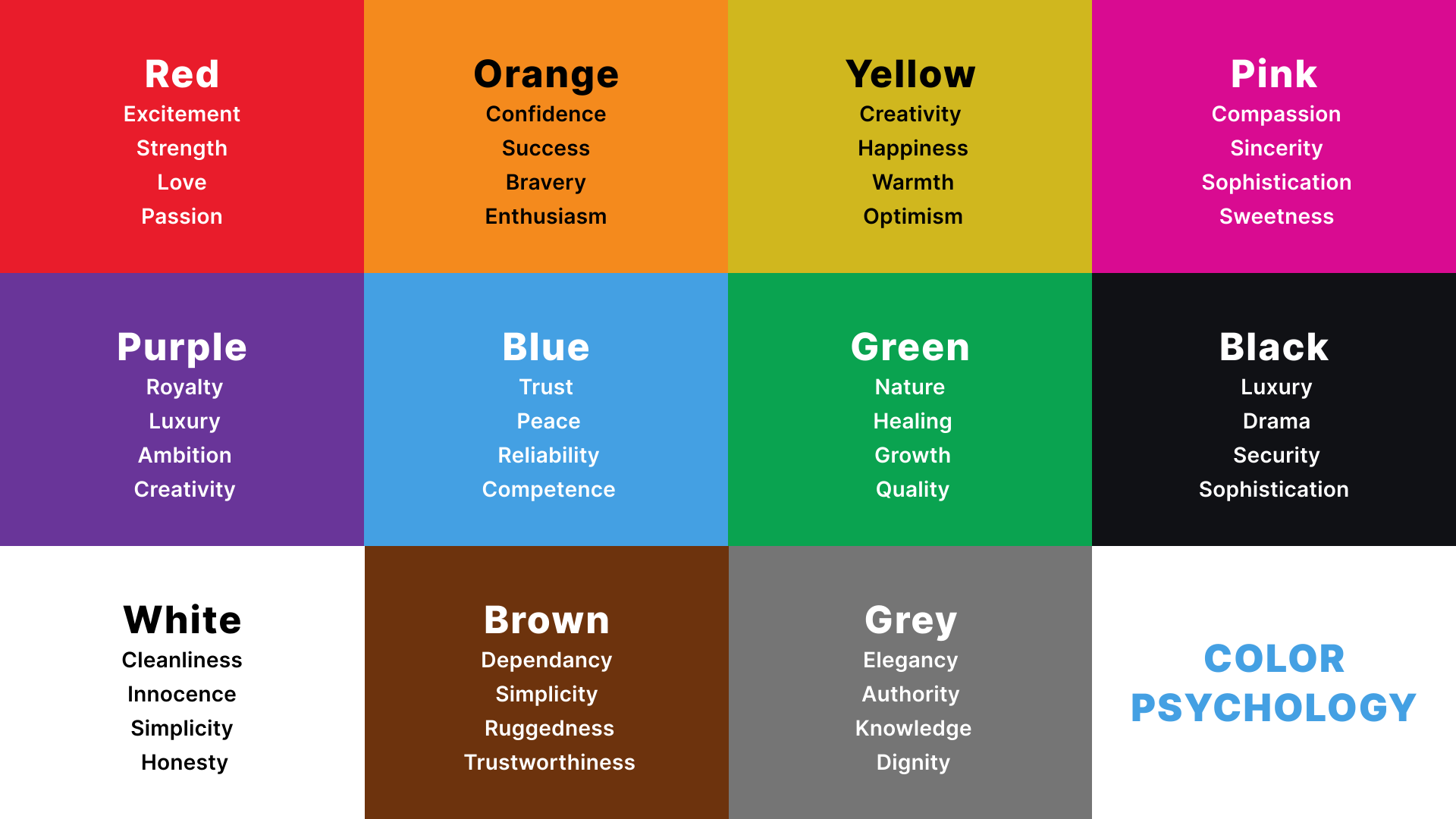
Colors influence how people feel about your brand, often before they read a single word.
The right color palette can strengthen recognition, reinforce messaging, and create emotional connections with your audience.
Some common associations include:
Blue: Trust, reliability, security, and professionalism. Popular among technology companies, financial institutions, and professional service firms.
Red: Energy, excitement, confidence, and urgency. Often used by retail, entertainment, and consumer-focused brands.
Black: Luxury, sophistication, and exclusivity. A popular choice for premium and high-end brands.
Yellow: Optimism, positivity, and creativity. Frequently used by brands looking to create a friendly and approachable image.
Purple: Innovation, imagination, and prestige. Common among creative and premium brands.
Orange: Enthusiasm, confidence, and friendliness. Often seen in lifestyle and consumer-driven businesses.
While color psychology is important, consistency matters even more. Repeated exposure to your visual identity helps customers remember your brand over time.
Typography communicates personality before visitors even begin reading your content.
The fonts you choose influence how your audience perceives your professionalism, credibility, and brand character.
Serif Fonts: Traditional, authoritative, and trustworthy. Often used by legal, financial, and educational organizations.
Sans-Serif Fonts: Modern, clean, and approachable. Popular among startups, technology companies, and digital-first brands.
Script Fonts: Elegant, expressive, and creative. Commonly used in the luxury, beauty, and creative industries.
Display Fonts: Bold and distinctive. Best reserved for headlines and special branding elements.
Maintaining consistent typography across your website, presentations, marketing materials, and social channels strengthens brand recognition and creates a more polished experience.
Your brand voice is how your business communicates with customers.
It influences everything from website copy and blog content to social media posts, emails, and customer interactions.
A strong brand voice helps customers feel familiar with your business and builds trust over time. Ask yourself:
Is your brand professional or conversational?
Formal or approachable?
Educational or inspirational?
Innovative or traditional?
The most successful brands establish clear communication standards and maintain consistency across every channel.
As Jeff Bezos famously said:
"Your brand is what people say about you when you're not in the room."
One of the most significant shifts in branding today is the rise of AI-powered search and discovery.
Platforms such as ChatGPT, Gemini, Claude, Perplexity, and Google's AI Overviews are changing how people find businesses and make purchasing decisions.
When AI systems recommend companies, they often evaluate factors such as:
Brand authority
Website credibility
Industry expertise
Consistent messaging
Customer reviews
Third-party mentions
Thought leadership content
Overall digital presence
This means your brand identity is no longer just a marketing asset. It is a visibility asset.
Businesses that consistently publish valuable content, communicate expertise clearly, and maintain a strong online presence are more likely to appear in AI-generated recommendations.
See how we've helped businesses strengthen their brand presence, build authority, and stand out in competitive markets.
Creating a strong brand identity is only the first step. Long-term success comes from maintaining consistency wherever customers interact with your business.
1. Website Experience: Your website should consistently reflect your brand's messaging, values, visual identity, and customer experience.
2. Social Media: Maintain a consistent tone, visual style, and messaging strategy across platforms.
3. Content Marketing: Every blog, guide, video, and resource should reinforce your expertise and positioning.
4. Email Marketing: Templates, messaging, and visual design should align with your overall brand standards.
5. Advertising Campaigns: Whether running Google Ads, LinkedIn campaigns, or paid social campaigns, consistency improves both recognition and performance.
6. Customer Experience: Every interaction should reinforce the same brand promise customers expect from your business.
When branding remains consistent, trust grows naturally.
Many businesses weaken their brand identity without realizing it. Common mistakes include:
Frequently changing logos or visual elements
Inconsistent messaging across channels
Copying competitors instead of creating differentiation
Ignoring customer perception and feedback
Focusing on design without a clear strategy
Publishing inconsistent content
Failing to communicate a unique value proposition
The strongest brands combine strategy, design, communication, and customer experience into a unified identity.
As technology and customer expectations continue to evolve, successful brands will focus on far more than visual design.
The brands that lead in the years ahead will:
Build authority through valuable content
Create consistent customer experiences
Earn trust through transparency
Optimize for both search engines and AI-driven discovery
Develop authentic relationships with their audiences
The goal is no longer just to be recognized. The goal is to be remembered, trusted, and recommended.
Your brand identity influences every stage of the customer journey.
From the moment someone discovers your business through search engines, AI-powered recommendations, social media, or referrals, your brand shapes how they perceive your company.
A strong brand identity built on strategic positioning, thoughtful design, consistent messaging, and customer trust creates a lasting competitive advantage.
Businesses that invest in branding today are building the foundation for greater visibility, stronger customer loyalty, and sustainable long-term growth.
Let's create a brand identity that helps your business attract the right audience, strengthen credibility, and drive measurable growth.
Brand consistency ensures that your audience recognizes your business across different channels. When your messaging, visuals, and tone are consistent, it builds trust and credibility.
Search engines and AI platforms like ChatGPT and Gemini prioritize authority and credibility. A strong brand with consistent content, positive reviews, and a clear digital footprint is more likely to be recommended as a trusted source.
While a total rebrand shouldn't happen often, successful companies refine and modernize their brand identity every 5-10 years to ensure it stays relevant without losing its core recognizability.


Stuck between performance marketing and brand marketing? Both drive growth, but choosing the right focus is key. Let’s explore their differences.

A seamless UI/UX boosts engagement, builds trust, and maximizes conversions. Discover how strategic design enhances user experience and drives success.

In the ever-evolving mobile app market, monetization strategies play a crucial role in generating revenue while maintaining a seamless user experience.